
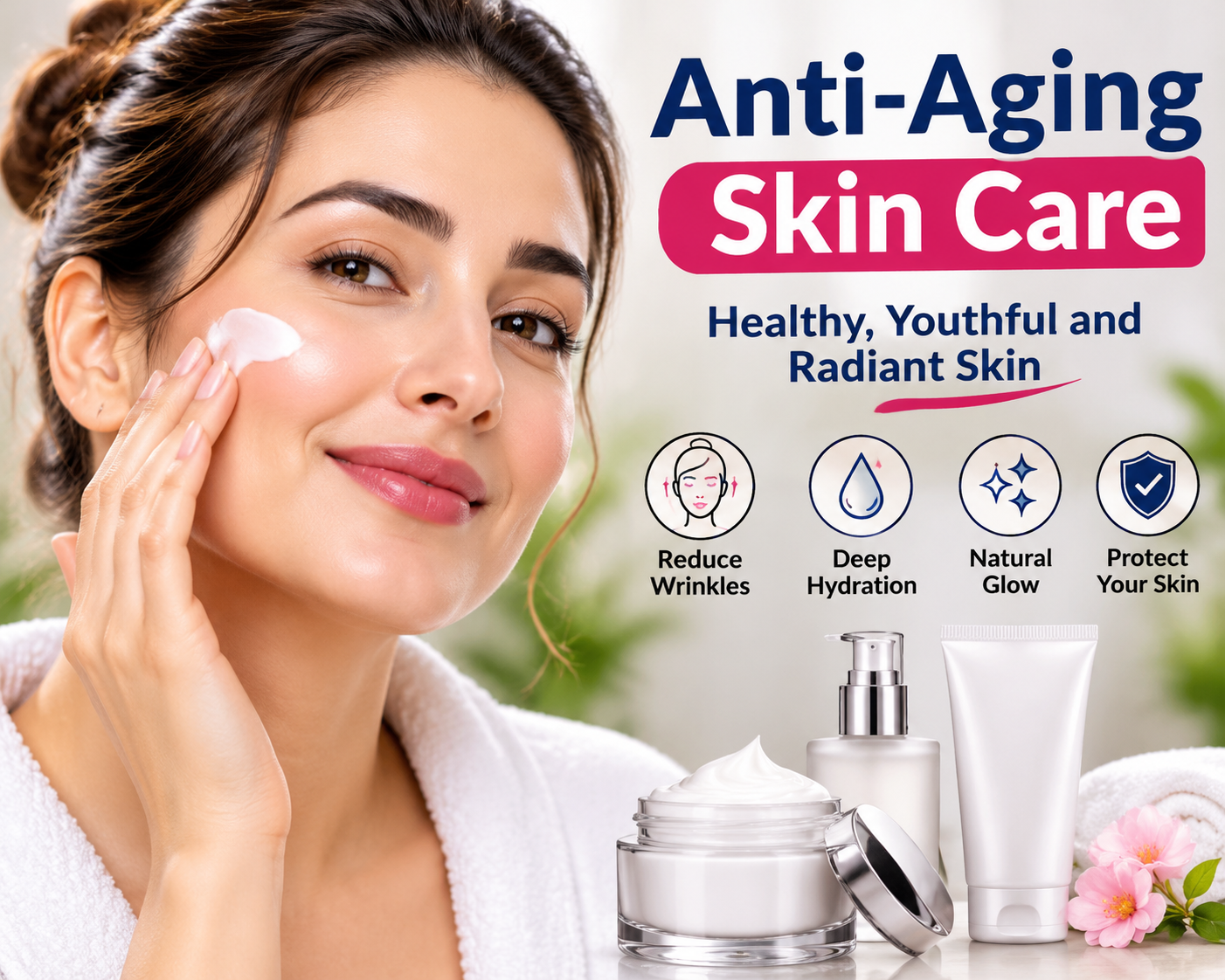
Hydration has a visible effect on how comfortable and smooth the skin appears. When the outer layer loses too much water, fine dehydration lines may stand out and rough patches can become more noticeable. A moisturizer helps reduce that uncomfortable feeling by supplying water-attracting ingredients and supporting the barrier that keeps moisture in. Choosing an anti-aging moisturizer is therefore less about chasing a youthful label and more about finding a formula that supports the skin every day.
Skin type offers a useful starting point. Oily skin often feels better with a light lotion, gel-cream, or non-greasy formula. Dry skin may need a richer cream containing emollients and barrier-supporting ingredients. Combination skin can use a lighter layer across the face and a little extra on dry areas. Seasonal weather matters too: a product that feels comfortable in humid conditions may not provide enough protection during a cold, dry winter.
This collection of anti-aging moisturizer
Select a Texture That Feels Right
Look for ingredients that perform complementary jobs. Glycerin and hyaluronic acid are humectants that attract water. Ceramides and fatty acids help support the skin barrier, while emollients smooth the surface and improve softness. Petrolatum can be useful for very dry areas because it helps limit moisture loss. You do not need every ingredient in one container; choose a formula that feels good and addresses the main reason your skin needs extra moisture.
Application technique can make a difference. After cleansing, gently pat the face so it remains slightly damp, then spread moisturizer without pulling or scrubbing. Use enough to cover the areas that tend to feel dry, including the sides of the nose and the jawline. If you apply a serum first, allow it to settle before adding the cream. Avoid putting ordinary facial moisturizer directly into the eyes, where it may cause watering or irritation.
Understand Moisturizing Ingredients
Daytime hydration should be paired with sun protection. Some moisturizers contain SPF, but check that the product is broad-spectrum and that you apply enough to achieve the labelled protection. Many people find it easier to use a dedicated sunscreen as the final morning step. Reapply when outdoors according to the directions. Moisture alone cannot protect against ultraviolet exposure, which contributes to visible changes such as uneven tone and roughness.
A night routine can focus on comfort and barrier support. If your skin feels dry after cleansing, use a richer cream in the evening or apply a small additional amount to areas that need it. You may not need a separate night product if your regular moisturizer already works well. Avoid layering multiple fragranced products when the skin is irritated. A short, calming routine can be more beneficial than a long sequence that leaves the face uncomfortable.
Morning and Evening Application
Watch for signs that a formula is not suitable. Persistent stinging, itching, swelling, or new irritation means you should stop using the product and consider professional advice. If you are prone to clogged pores, choose a texture labelled non-comedogenic, while remembering that individual reactions still vary. Patch testing a new formula on a small area can help identify sensitivity before applying it widely.
Hydration is also affected by habits beyond skincare. Very hot showers, harsh cleansers, and frequent exfoliation can leave the skin feeling dry. Use lukewarm water, avoid scrubbing, and consider a humidifier when indoor air is particularly dry. Drinking enough fluids supports general health, although simply drinking extra water will not replace a suitable topical moisturizer.
Protect the Skin Barrier
The best daily product is one that fits your skin type, climate, and preferences. Choose a comfortable texture, check the ingredient list, apply it consistently, and pair daytime use with sunscreen. A well-selected anti-aging moisturizer can help maintain softness and reduce the appearance of dehydration lines, while a gentle routine protects the skin from unnecessary stress.
A Simple Daily Checklist
Keep the routine manageable: cleanse without stripping, moisturize for comfort, use broad-spectrum sunscreen during the day, and introduce only one targeted active at a time. Follow product directions and seek qualified advice for persistent irritation or changing skin concerns.
 owais