
Problem Scenario: The Growing Need for Effective Robotics Solutions
Picture yourself in a bustling manufacturing plant where robots handle everything—material handling, assembly, and quality control. However, a recent study revealed that 70% of production inefficiencies stem from improperly chosen end effectors suppliers. So, how do you ensure your robotics solutions are equipped with the best end effectors? As businesses increasingly rely on automation, this question becomes pivotal.
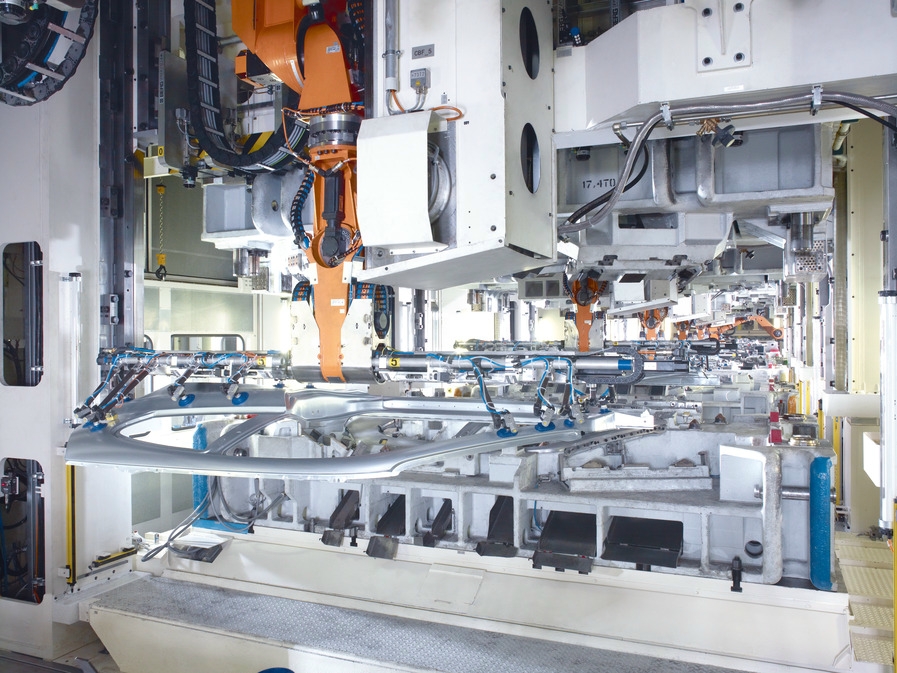
Understanding End Effectors: The Basics
I remember when I first encountered the various types of end effectors – grippers, suction cups, and tool changers – each designed with unique functionalities for specific tasks. It’s crucial to have a deeper understanding of these components, particularly since they directly affect performance and productivity. When selecting an end effector, consider factors such as payload capacity, compatibility with your robotic arm, and the materials being handled. Let’s face it, no one wants a design that limits their robots’ capabilities.
What Are the Most Common Issues?
Many users face a common pain point: choosing the wrong type of end effector can cause robotic systems to underperform. For example, I’ve seen manufacturers struggle with grippers that aren’t robust enough for heavy-duty tasks, leading to breakage and delays. In such cases, it’s the suppliers that can make or break your operations. Connecting with reliable end effectors suppliers is essential.
What Lies Ahead: Advancements in Robotics Technology
As technology progresses, innovative solutions in end effects design continuously emerge. Imagine integrating advanced sensors that allow an end effector to adapt in real-time based on the item being handled. This not only enhances efficiency but increases safety. I believe that aligning with reputable end effectors suppliers will help keep your operations at the forefront of these advancements. It’s all about embracing the future while learning from past experiences.
Real-world Impact: What Can You Do Differently?
To select the best end effector for your needs, I recommend three key evaluation metrics: compatibility with your robotic system, reliability under load, and the supplier’s after-sales service. Having been in this business over 15 years, I have learned firsthand that effective communication with your supplier can streamline your integration process. Don’t just pick the first option; explore your choices. Sometimes, the best solutions lie in collaboration and testing various components.

In conclusion, choosing the right end effector is a journey filled with both challenges and opportunities. Investing time and resources into finding the right end effectors suppliers will ultimately pay off in productivity and efficiency for your robotics applications. As we continue to enhance our robotic systems, remember: a solid foundation in these components can lead to vast improvements. I genuinely encourage you to engage openly with suppliers and seek advice tailored to your specific needs. For more insights and reliable solutions, check out nan.